
What a digital twin is and how it is used in an industrial plant
Alsis IoT technical team · Updated 25 September 2026 · 8-minute read
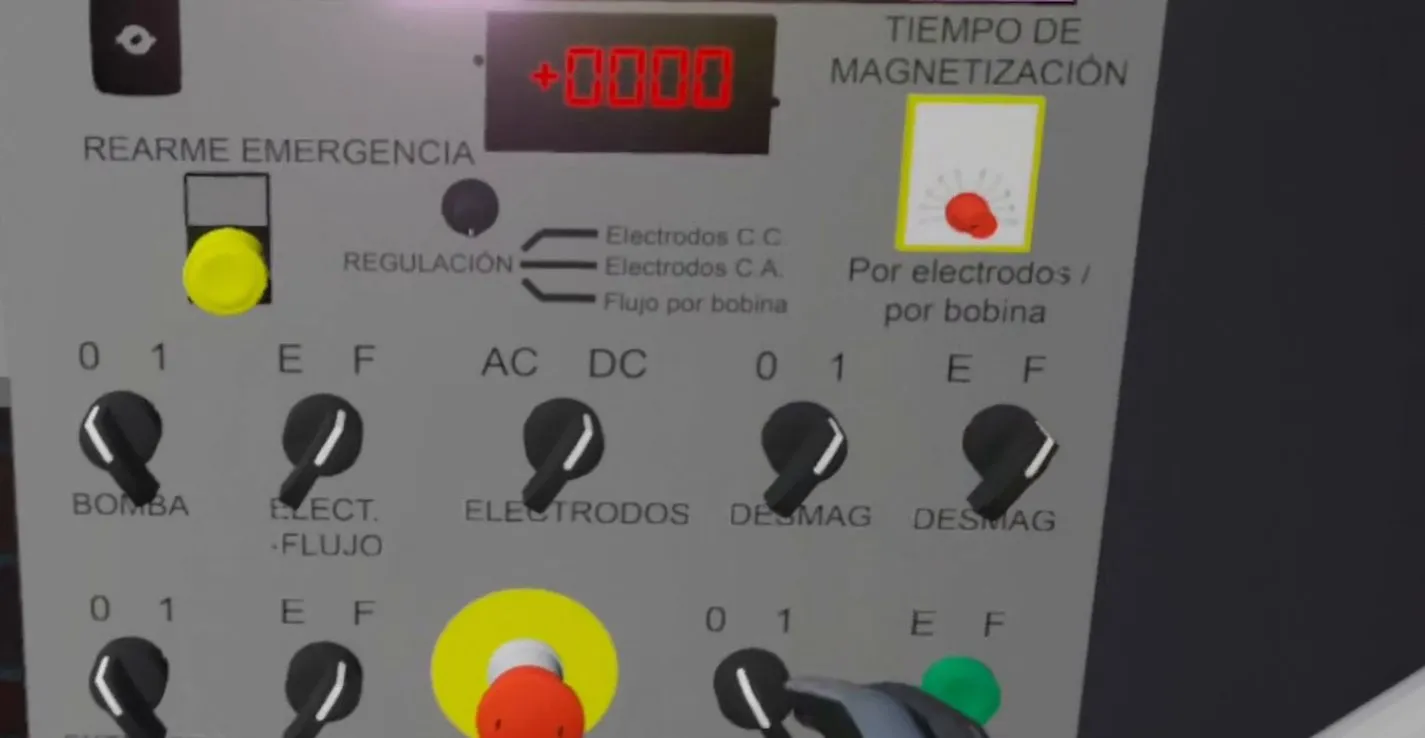
A digital twin is a virtual replica of a physical asset (a machine, a line or an entire plant) that is fed with its real data and behaves like it. It lets you see its condition without being in front of it, test changes without risk and anticipate what is going to happen.
What a digital twin is
A digital twin has three parts: the physical asset, its virtual model and the data flow that keeps the two in sync. The third is the one that makes the difference: if the model receives no data from the real asset, it is a 3D model or a simulation, not a twin.
To train a team before the machine arrives, a faithful virtual model built from its technical documentation is enough. It becomes a full twin when it is connected to the machine’s real data.
That is why a twin is not finished on the day it is delivered. It accompanies the machine throughout its working life and becomes more accurate the more history it builds up.
What it is for in a plant
- Seeing a machine’s condition without being in front of it. Temperatures, vibrations, cycles and stoppages, on the model itself.
- Anticipating failures. With the history and a behaviour model, the twin estimates when a component will cross its failure threshold.
- Testing changes before touching the line. A speed or sequence adjustment is tested virtually and only taken to the plant if it works.
- Training the team. Operators practise on the virtual machine before doing it on the real one.
- Planning refurbishments and extensions. With the model of the building or the line you can check whether a new machine fits and how it affects the rest.
A digital twin and a simulation are not the same
They get confused because a twin uses simulations internally. The difference lies in where the data comes from and how long the model lives.
| Simulation | Digital twin | |
|---|---|---|
| Data | Assumptions and scenarios | Real data from the asset, continuously |
| Duration | A one-off study | The asset’s entire life |
| Question it answers | What would happen if…? | What is happening and what is going to happen? |
| Relationship with the asset | None once the study is done | In sync with it |
Types of digital twin
They are usually classified by the scope of what they replicate. In practice you start with the smallest level that answers the question you have.
- Component: a bearing, a motor or a pump.
- Asset: a complete machine, with its components and how they relate.
- System or line: several machines working together.
- Process or plant: the complete production flow, with its resources and times.
What data it needs
You don’t need everything on day one. The level of detail is set by the goal.
What it looks like
The asset’s geometry: CAD or BIM models, drawings or a point cloud captured with a scanner.
How it works
Operating manuals, functional specifications and the PLC logic: what states the machine has and how it moves from one to another.
How it is now
Sensor readings (vibration, temperature, pressure, consumption) and the maintenance history.
How to get started
- A specific question. For example, when is this press going to fail, or how to train the night shift before the new machine arrives.
- The documentation that already exists. CAD, drawings, manuals and PLC data are usually enough for the first version.
- The minimum data. Only the sensors that answer the question are connected. If any are missing, they are added without changing the machine.
- Expand when it makes sense. Machines, processes or new uses are added on top of the first twin, without starting from scratch.
Training inside the twin: virtual reality
A digital twin can also be used for training. With virtual reality, the operator enters the virtual machine, walks around it, operates it and practises its maintenance before touching the real one. Every session is recorded: what they did, in what order and how long it took.
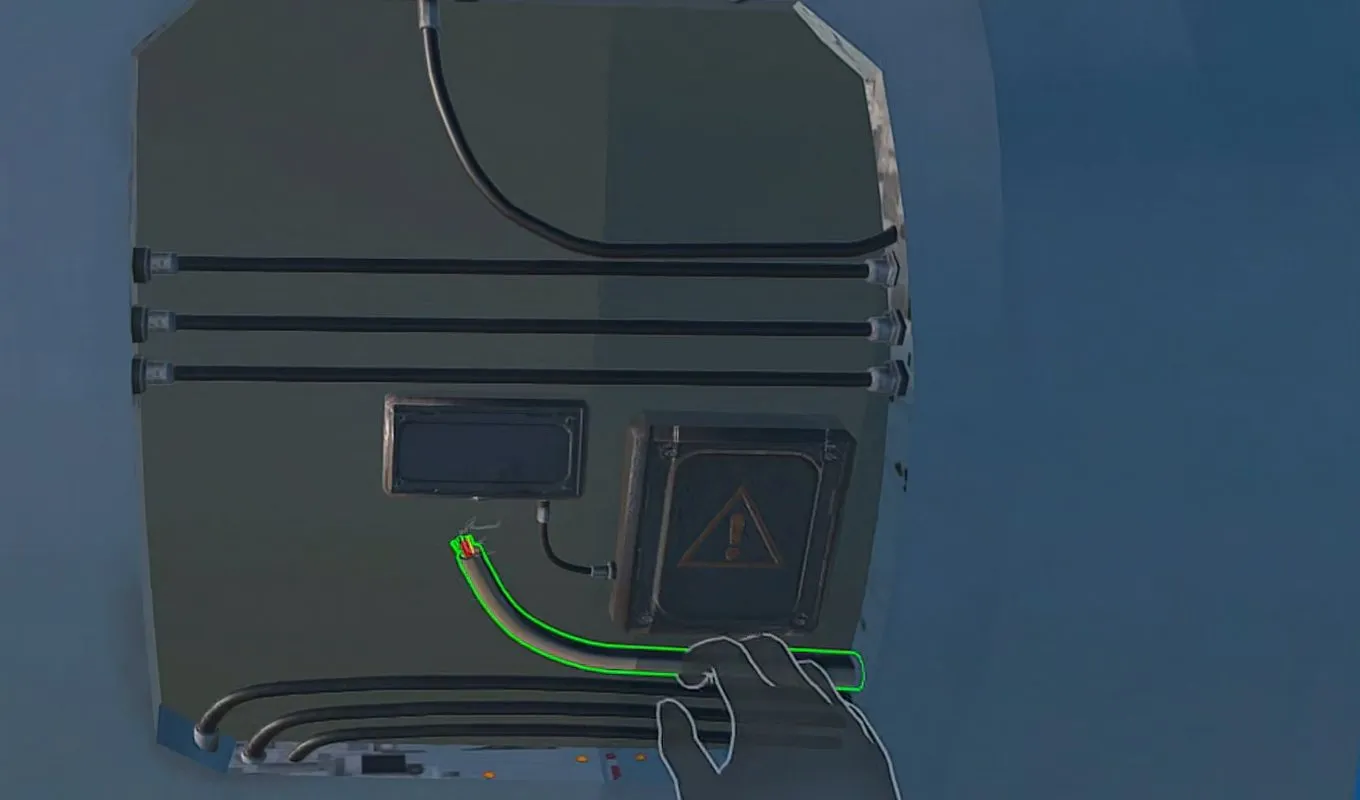
Your operators, walking inside the machine
Virtual reality platform with natural walking on your machine’s twin.
Frequently asked questions
How much does a digital twin cost for an SME?
It depends on the scope: the twin of a motor is not the same as that of a plant. That is why it is worth starting with one asset and a specific question, and expanding once the first has proved its value.
What is the difference between a digital twin and a simulation?
A simulation works with assumptions to answer a one-off question. A digital twin is connected to the asset’s real data and stays with it throughout its life.
Do machines have to be changed to have a digital twin?
No. We use the data the PLC already generates and, if anything is missing, we add external sensors without modifying the machine.