IoT in industry: machine data, logistics and safety on the shop floor
We read what your machines, forklifts and tools measure, and tell you what it means before the line stops or someone gets hurt.
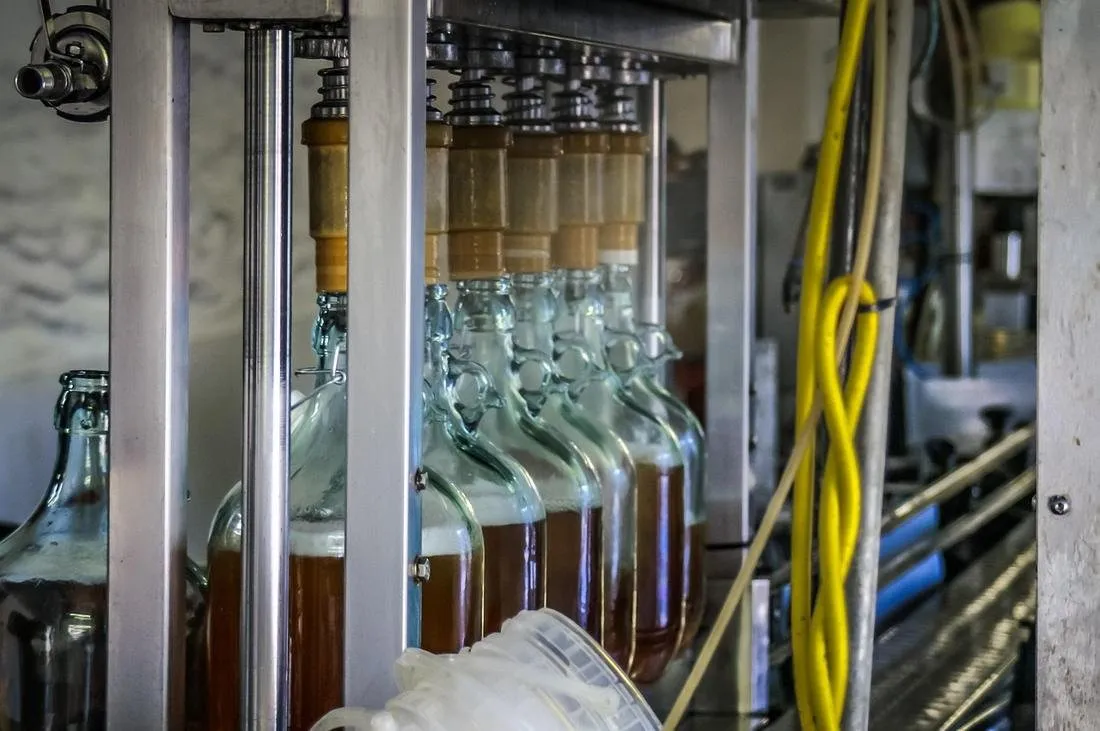
- What we measure
- Vibration, temperature, pressure, consumption and stoppages
- Where
- Production lines, warehouses and assembly
- What for
- Anticipate failures, prevent accidents and keep a record
- Older machines
- Fitted with sensors without replacing them
Three problems that come up in almost every factory
Stoppages nobody sees coming
The machine’s signals change weeks in advance, but nobody is reading them.
Forklifts and pedestrians in the same aisle, and new staff without training
Blind spots and haste turn a routine crossing into a daily risk; and training on the real machine is expensive and comes too late.
Critical operations with no record
Tightening torques, pressures or rounds that are noted down by hand, or not at all, and cannot be audited.
Start with one machine and grow when it makes sense
Predictive maintenance
We read the signal of the machine that worries you and tell you what is wrong and when to step in, before the stoppage.
Industrial monitoring
Consumption, temperatures and stoppages across the whole plant on one dashboard, with alerts when something goes out of range.
Industrial sensorisation
We connect sensors, PLCs and ERP, including older machines with no communications.
Equipment to measure where today you estimate
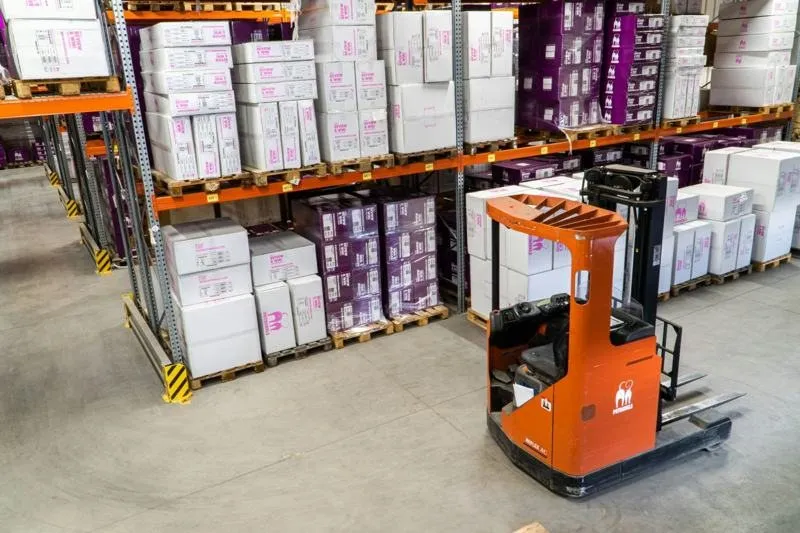
Crash Stopper V.2
Anti-collision system for forklift trucks, so forklifts and pedestrians can share an aisle safely.
See the product sheet →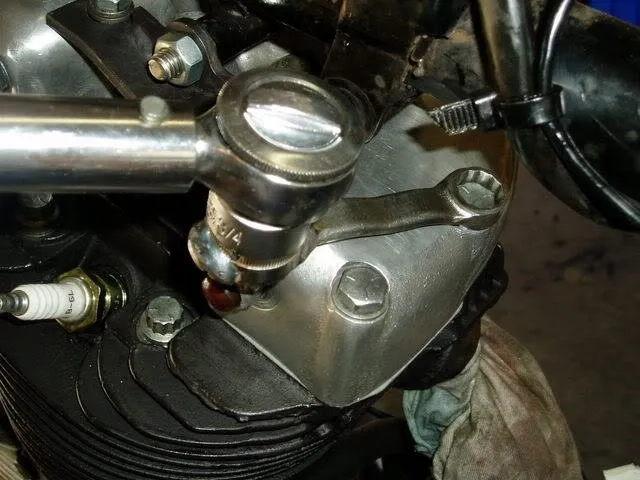
Sensorised bolt tightening
Every tightening torque, recorded and traceable.
See the product sheet →TH-P50 digital pressure gauge
Pressure readings recorded, with no paperwork.
See the product sheet →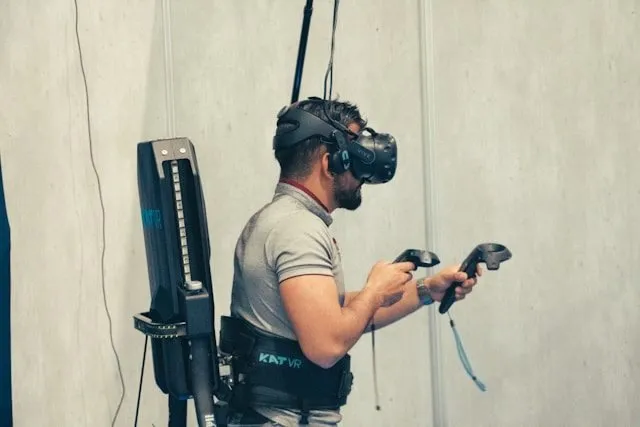
Train your team before the machine arrives
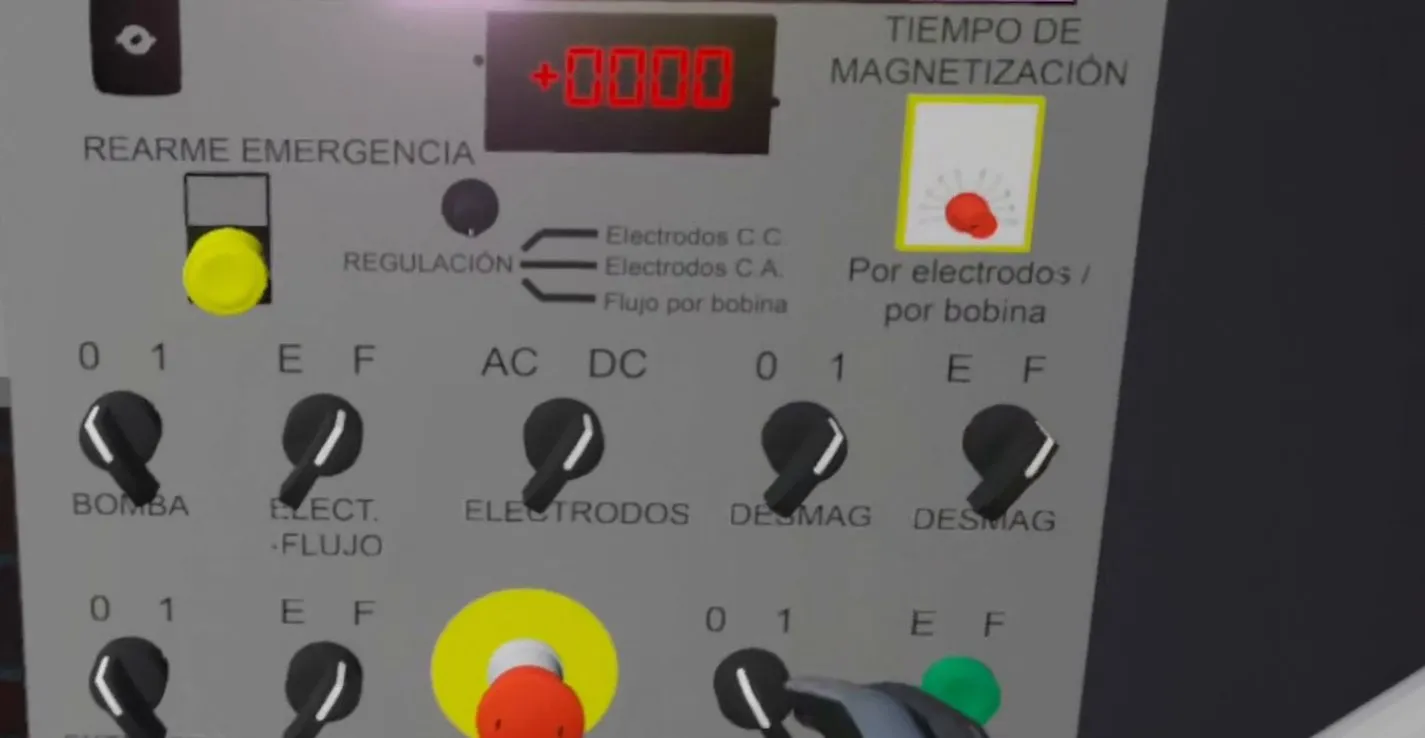
We build the digital twin of the machine from its documentation, and your operators practise operation, maintenance and emergencies by walking inside it. No risk, no stopping production, and every session recorded.
- Training
- Operation, maintenance and procedures
- Prevention
- Emergencies, LOTO, confined spaces and ATEX
- Record
- Sequence, times, path and score
Also for practising emergencies and risk prevention inside the facility, with every session recorded.
A machine gives no warning before it stops. Its data does
-
1 · Capture
Sensors where they are missing, and readings from those already there.
-
2 · Analysis
What is normal and what is a warning in each signal.
-
3 · Preventive
Thresholds and alerts before the failure.
-
4 · Predictive
Probable failure date, with its margin.
-
5 · Proactive
Process changes so the failure never happens.
To help you decide wisely
IoT in industry, in a nutshell
If your question isn’t here, ask us during the assessment.
What are the applications of IoT in industry?
Measuring machine condition to anticipate failures, controlling consumption, tracking levels and inventory, preventing collisions between forklifts and people, and keeping a record of critical operations such as bolt tightening.
What can be monitored in a factory?
Vibration, temperature, pressure and power consumption of machines; stoppages and production cycles; tank and silo levels; and the position of vehicles and people in hazardous areas.
Can older machinery be connected?
Yes. If the machine has no PLC or communications, external sensors are added without replacing it. If it already has a PLC, we read the data it generates.
Where do we start?
With an assessment: we look at which machine or process worries you, what data already exists and what would need to be measured.