
IoT in energy: panels, wind turbines and buildings measured from the air and from inside
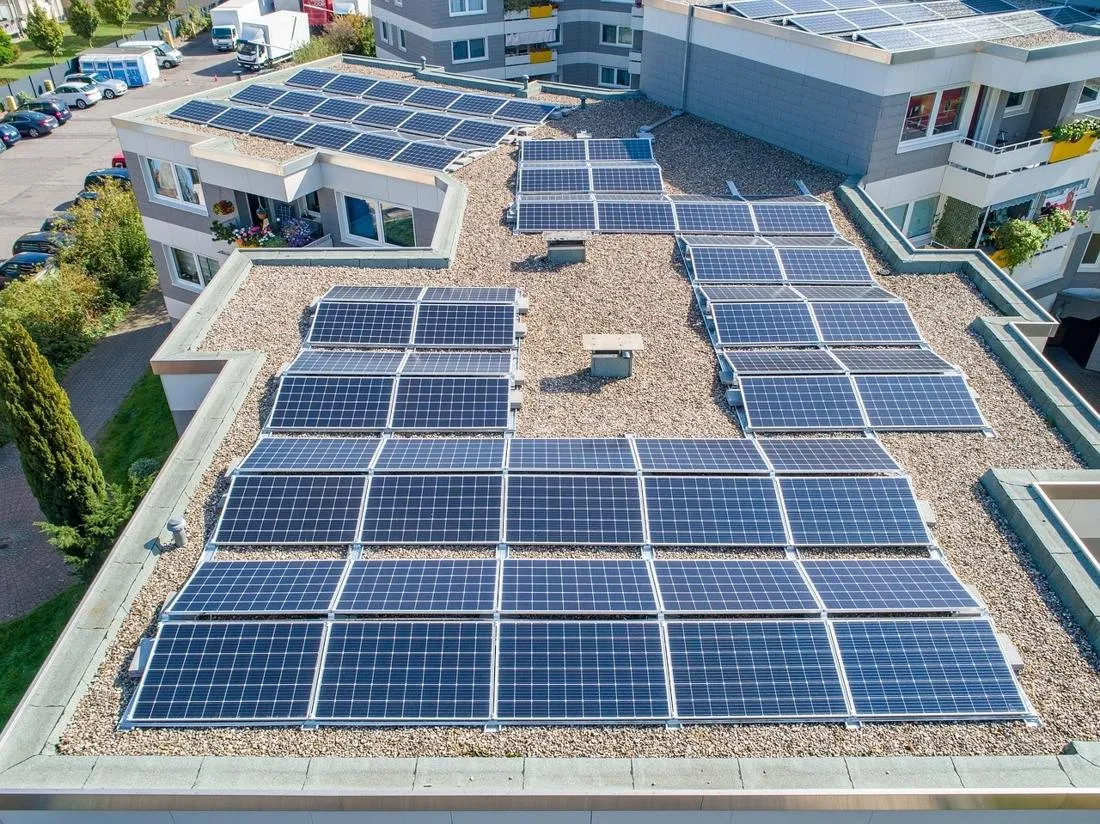
We inspect solar panels and wind turbines with drones and thermography, measure the consumption of every line and the humidity of every wall, and train the people who maintain the installations before they climb up to them.
- What we measure
- Panel and blade temperature, consumption per line, humidity and temperature in structures
- Where
- Solar and wind farms, plants and buildings
- What for
- Detect the fault before it costs output
- With whom
- Maintenance teams and energy managers
Three problems that come up again and again in energy
A hot panel can’t be seen from the ground
A hot spot on a panel or a blade cuts output weeks before it breaks, and nobody sees it on a walk-round.
Consumption is only known at the end of the month
The bill says how much, not where or when. Without measuring each line, there is nowhere to act.
Damp works away inside the wall
By the time it shows on the wall, the damage is done. Measuring it continuously is the only way to see it coming.
Start with one installation and grow when it makes sense
Drone inspection
Solar panels and wind turbines inspected with thermography to locate the hot spot before the failure.
Energy monitoring
Every kWh in your plant or building, measured and explained, so you know where it goes.
Structural monitoring
Humidity and temperature in walls and surfaces, measured continuously.
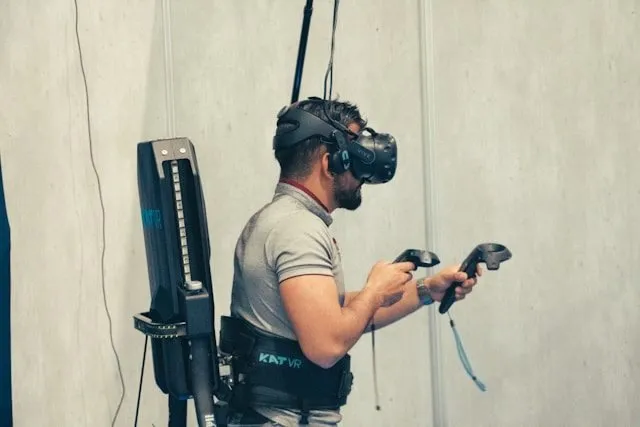
Train your team before they go up to the installation
We build the digital twin of the installation or equipment from its documentation, and your technicians practise the procedure, maintenance and emergencies by walking inside it. No risk, no stopping production, and every session recorded.
A machine gives no warning before it stops. Its data does
-
1 · Capture
Sensors where they are missing, and readings from those already there.
-
2 · Analysis
What is normal and what is a warning in each signal.
-
3 · Preventive
Thresholds and alerts before the failure.
-
4 · Predictive
Probable failure date, with its margin.
-
5 · Proactive
Process changes so the failure never happens.
IoT in energy, in a nutshell
If your question isn’t here, ask us during the assessment.
What does a drone inspect?
Solar panels and wind turbines, with a thermal camera: hot spots, broken cells, dirt and blade damage.
How often should inspections be done?
It depends on the installation; typically one scheduled inspection a year, and another after hail or a heavy storm.
Can consumption be measured without changing the electrical installation?
Yes. Analysers are installed in the switchboard and clamps on the relevant lines, without cutting the power.
Where do we start?
With an assessment: we look at which installation worries you, what data already exists and what would need to be measured.