Worker training with a digital twin: practise on the machine before touching it
We replicate your machine or line virtually so you can test changes without risk and train your team before touching the plant.
- What we replicate
- A machine, a line or a process
- What it is built with
- CAD or BIM, drawings, manuals and PLC
- What for
- Test changes and train your team
- What data it uses
- Data from your sensors and your PLC
A digital twin is a virtual replica of your machine or line, fed with its real data. With it you test changes and simulate scenarios without exposing your equipment to real risk, and you train your team before touching the plant. It is for plants that want to change a process without putting production at risk.
From the first question to the first tested change, in four steps
-
Step 1
We start from a question
For example, what happens if you change the speed of a line, or how to train the night shift before the new machine arrives.
-
Step 2
We build the model
With the documentation you already have: CAD or BIM, drawings, a point cloud, manuals and the PLC logic.
-
Step 3
We connect it to the real data
We read the machine’s sensors and PLC. If data is missing, we add sensors without changing it.
-
Step 4
We test virtually
We simulate changes in speed, load or sequence. They only go to the plant if they work.
What you need to get started
You don’t need everything on day one. The level of detail is set by the goal.
What it looks like
CAD or BIM models, drawings or a point cloud captured with a scanner.
CAD · BIMHow it works
Operating manuals, functional specifications and the PLC logic.
PLCHow it is now
Vibration, temperature, pressure and consumption readings.
SensorsWhat has happened to it
The machine’s maintenance history.
HistoryChanges tested before touching the line
The twin accompanies the machine and becomes more accurate the more history it builds up.
Risk-free testing
Stress tests and different scenarios without exposing your equipment to real risk.
Decisions with simulated data
By analysing the simulated data we see where to improve the performance and efficiency of your processes.
Your team, inside the machine
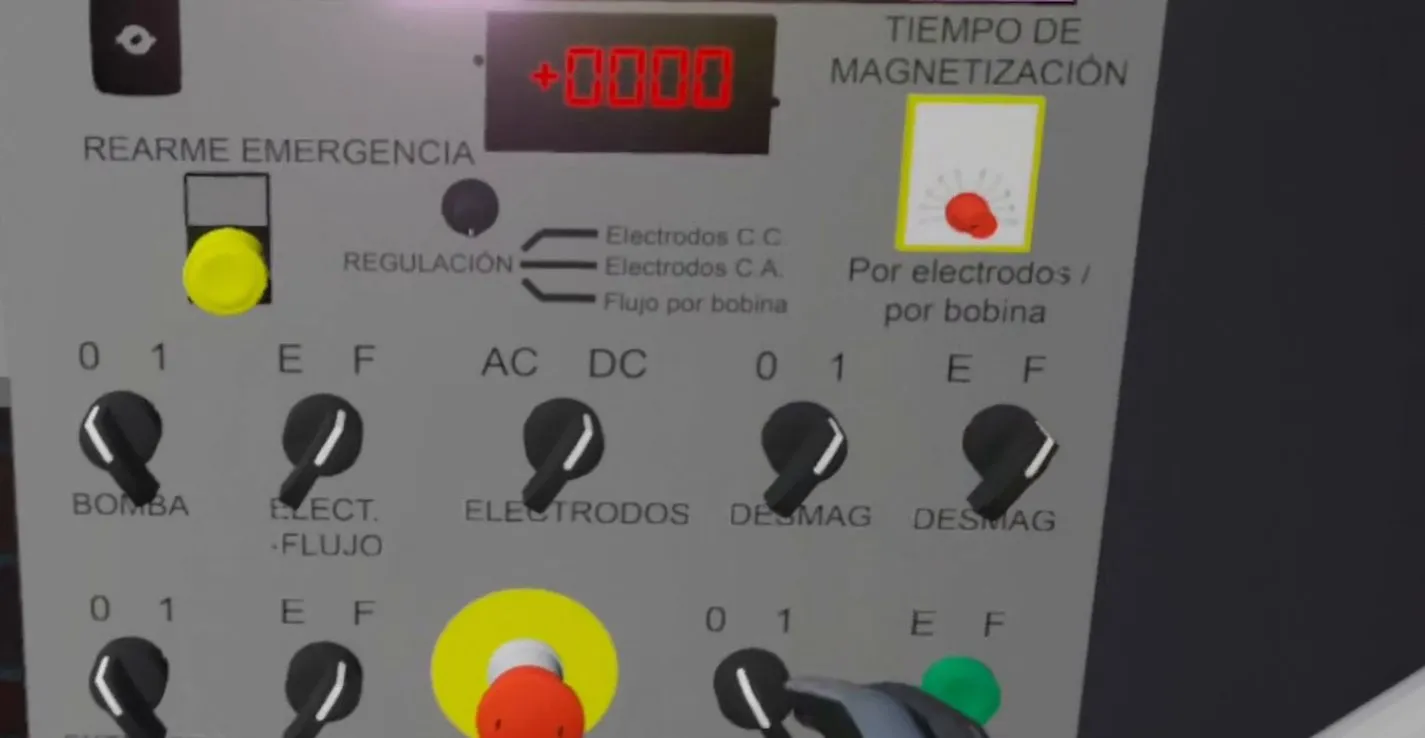
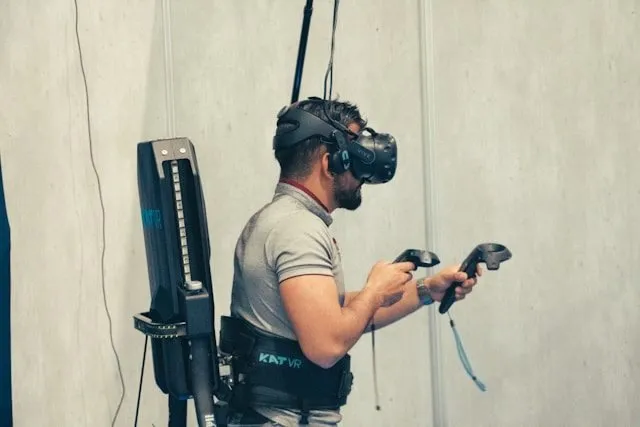
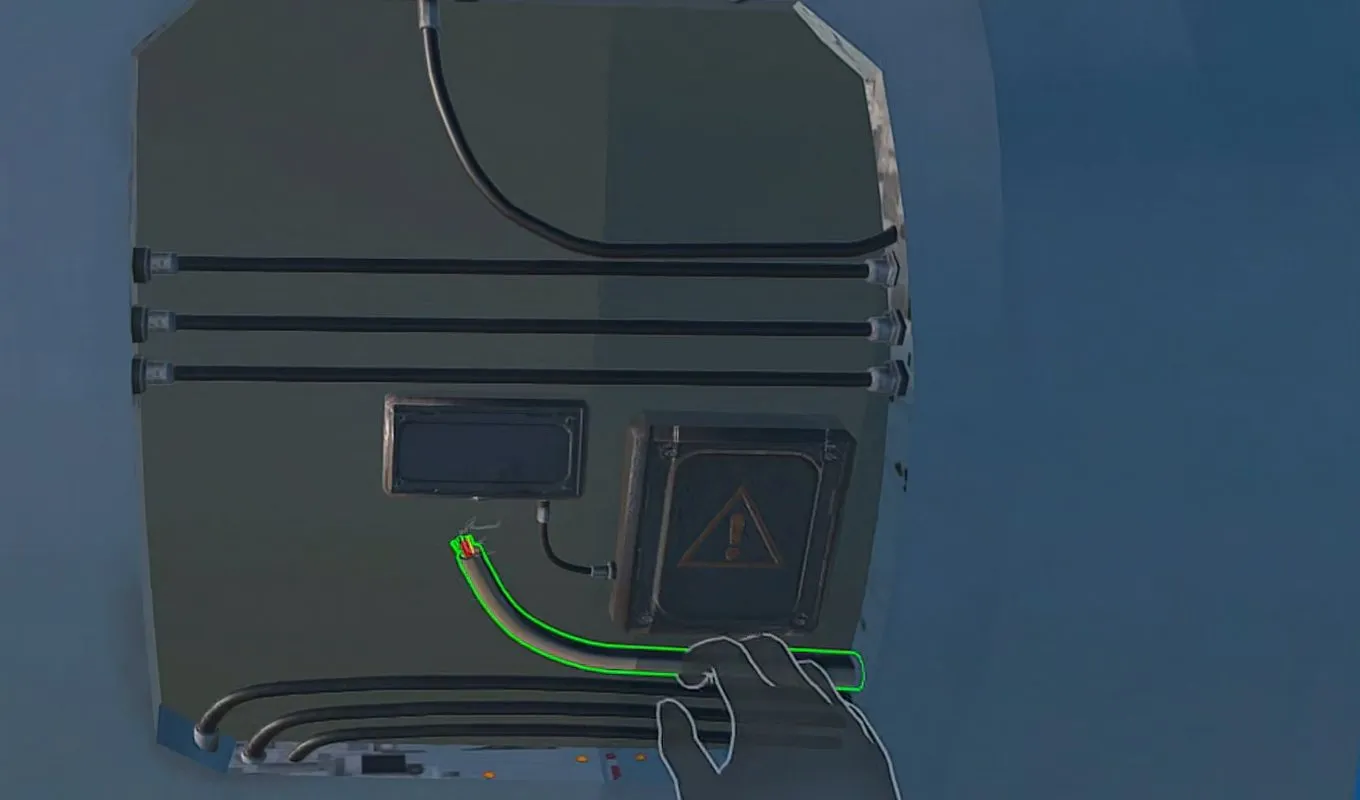
With Alsis Omni your operators practise operation, maintenance and emergencies by walking inside the twin.
The geometry of the machine or line.
Its states and how it moves from one to another.
What the machine measures now.
The history of what has been checked.
Digital twins in factories and energy
To help you decide wisely
Digital twins, in a nutshell
If your question isn’t here, ask us during the assessment.
What is the difference between a digital twin and a simulation?
A simulation works with assumptions to answer a one-off question. A digital twin is connected to the asset’s real data and stays with it throughout its life.
Do machines have to be changed to have a digital twin?
No. We use the data the PLC already generates and, if anything is missing, we add external sensors without modifying the machine.
Does the machine need to be installed to train the team?
No. For training, a faithful model built from its technical documentation is enough, so training can start before the machine reaches the plant.
Have you done it before?
Yes. With the University of Salamanca we research a digital twin that combines sensors, motion cameras and virtual and augmented reality to train, simulate and teach. Alsis Omni came out of that work. See the project