
Predictive maintenance with IoT: anticipate the failure before the stoppage
We read the signal of the machine that worries you and tell you what is wrong and when to step in, before the line stops.

- What we measure
- Vibration, temperature, pressure and power consumption
- What you get
- Dashboard, alerts and report
- What it integrates with
- Sensors, PLC, SCADA and ERP
- Older machines
- Fitted with sensors without replacing them
Predictive maintenance with IoT continuously measures how a machine works (its vibration, temperature and consumption) and learns what its normal behaviour is. When the signal starts to change, it alerts you before the failure stops the line. It is for plants with critical machines that today are repaired when they fail.
These are phases 3 and 4 of our industrial data analytics method →
From the first measurement to the first alert, in four steps
-
Step 1
We fit the machine with sensors
We fit sensors where they are missing and read those it already has, even if it is old and has no communications.
-
Step 2
We read its signal for a few weeks
We record how it works across its shifts, start-ups and stoppages.
-
Step 3
We learn its normal behaviour
We separate what is normal, such as a start-up or a format change, from what signals a failure.
-
Step 4
We alert you before the stoppage
When the trend points to a problem, we tell you what is wrong and when it is best to step in.
What the sensor measuresWhat it means
The signals that change before a failure
These are the most common variables. In the assessment we decide which ones make sense on your machine.
Vibration
Imbalances, play and wearing bearings.
mm/sTemperature
Friction, lack of lubrication and overloads.
°CPressure
Leaks, blockages and pumps losing performance.
barPower consumption
Motors working under strain or changing the way they start.
A · kWhA timely alert, and the reason behind it
We don’t just leave you a dashboard full of charts: we tell you what is happening and what to do.
The status of each machine
Every machine measured, with its history and trend, on one dashboard.
What is happening and what to check
When a signal goes beyond normal, we alert you with what is happening and what should be checked.
What has happened and what is coming
A summary of what has been anticipated, what has been checked and what should change.
The ones we install and the ones you already have.
The data the machine already generates.
What you already see in the control room.
Orders, shifts and recorded stoppages.
What does an unexpected stoppage cost you?
Enter a number between 0 and 99.
Enter a duration between 0.5 and 72 hours.
Enter an amount in euros, from 0 upwards.
Today, stoppages cost you
172,800 €
a year. If you anticipate 30%, you stop losing 51,840 €.
Check the highlighted figures and you will see the calculation here.
Calculated only with your figures. It is not a promise of savings: the assessment tells you how much can really be anticipated.
Industrial predictive maintenance in factories and energy
To help you decide wisely
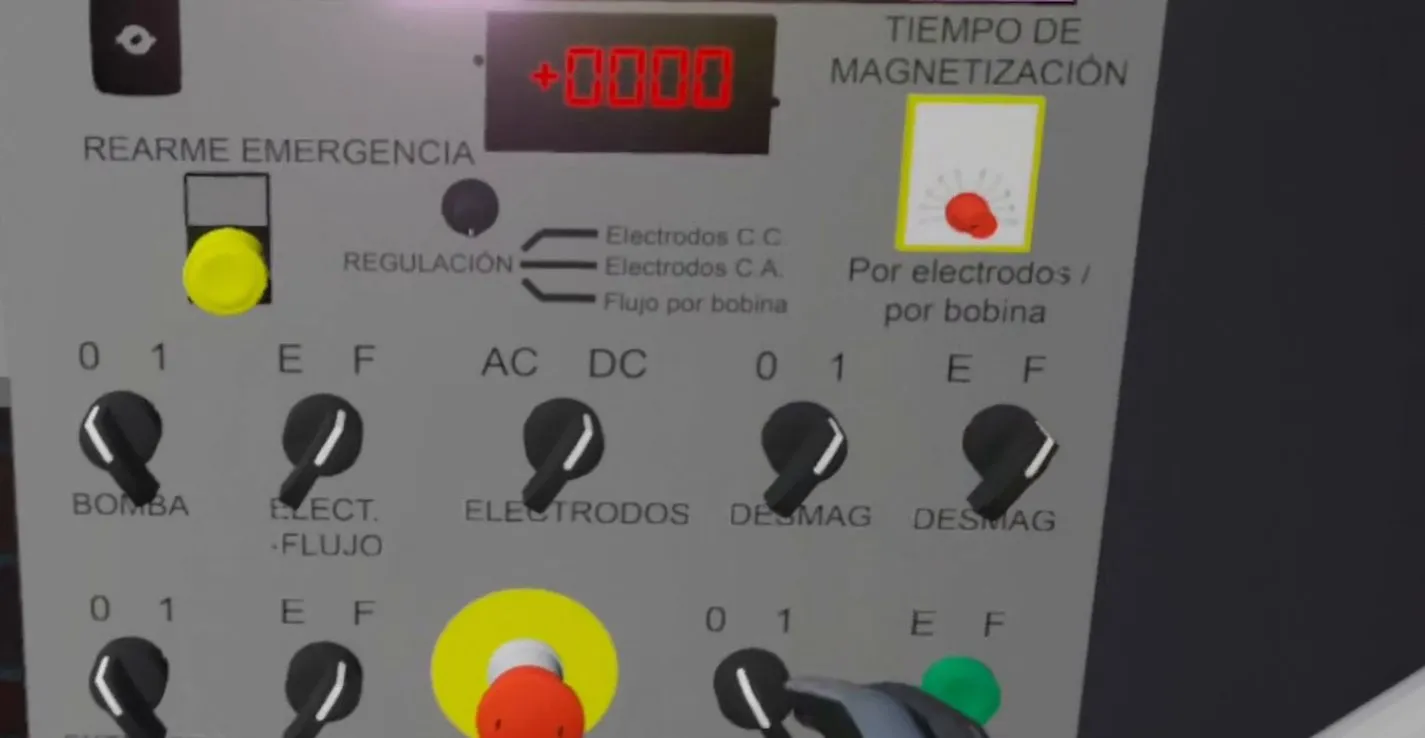
Predictive maintenance, in a nutshell
If your question isn’t here, ask us during the assessment.
How much does it cost to implement predictive maintenance?
It depends on how many machines and which signals need measuring. We look at it in the assessment; before that, the calculator on this page gives you an idea of what stoppages cost you today.
How much history is needed to predict failures?
It depends on the machine and how much its work varies. That is why we start by reading its signal for a few weeks: that way we see its normal behaviour and how much more is needed to anticipate reliably.
Which sensors are used?
Whatever each signal requires: vibration, temperature, pressure or power consumption. If the machine already measures something, we read it before adding anything.
Does it work with older machinery?
Yes. If the machine has no PLC or communications, external sensors are added without replacing it.
What is the difference between preventive and predictive?
Preventive maintenance checks on a schedule or by hours of use. Predictive maintenance checks when the machine’s signal says it is needed.